Introduction
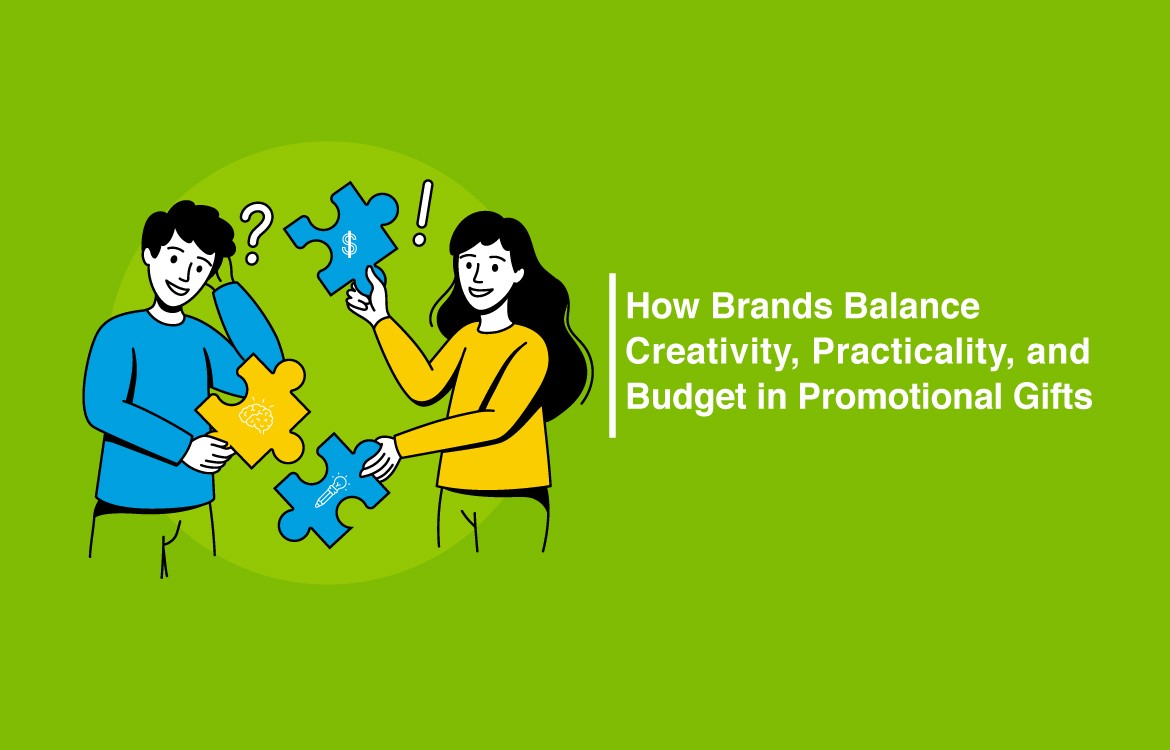
Choosing promotional gifts is rarely as simple as picking the most eye-catching product or the lowest quote. For most brands, the real challenge is finding the balance between creativity, practicality, and budget. A product may look exciting, but if it feels difficult to use or too costly to scale, it may not support the campaign in the right way. On the other hand, a low-cost item may be easy to order, but if it feels generic or forgettable, it may do very little for brand awareness. The best promotional gifts usually sit somewhere in the middle: they feel thoughtful, useful, and realistic for the project.
That balance matters because promotional products are not only giveaways. They are also part of how a brand presents itself. The right item should reflect the brand image, connect with the target audience, and work within the limits of the campaign budget. When those three factors come together, promotional gifts become much more effective as marketing solutions.
Creativity Needs to Serve a Purpose
Creative products can help a campaign stand out, especially in busy event spaces or crowded markets. A strong idea, an interesting shape, a fresh color combination, or a more custom look can make people notice the product more quickly. But creativity works best when it supports the message of the brand instead of distracting from it. If a product looks unusual but has little practical value, people may remember the object without remembering the company behind it.
That is why brands often get better results when creativity is combined with relevance. A custom item should still feel useful, easy to carry, or pleasant to keep. In many cases, a familiar product with a smarter design approach can work better than a completely unexpected item. Good promotional gifts do not need to be overly complicated. They just need to feel intentional.
Practicality and Budget Often Work Together
Practicality is one of the biggest reasons people keep promotional gifts. Products that fit into daily routines—such as bags, drinkware, notebooks, desk items, or travel accessories—usually offer longer brand exposure because they continue to be used over time. This is also where budget decisions become more strategic. Choosing a practical product does not mean giving up creativity. It often means putting the budget into the details that matter most, such as better materials, cleaner printing, or packaging that improves presentation without pushing the total cost too high.
Brands also need to think about quantity, audience type, and campaign purpose. A premium client gift and a trade show giveaway do not need the same budget structure. The smarter approach is to match the product level to the business goal. That helps avoid overspending on the wrong item or cutting costs so much that the final product loses impact.
Conclusion
Balancing creativity, practicality, and budget is what makes promotional gifts work in real business settings. The strongest products are not always the most expensive or the most unusual. They are the ones that fit the brand, make sense for the audience, and support the campaign goal clearly. When brands approach promotional gifts this way, they create products that are easier to justify, more likely to be kept, and far more effective over time.
ENPAI PROMOTIONS helps clients deal with this balance in a more efficient way by bringing together product recommendations, customization support, and production experience. With the right guidance, brands can keep promotional gifts aligned with budget while still making them practical and worthwhile.