What’s Changing in the Market
As the automotive market continues to expand, drivers’ roles and needs are evolving. Decisions about driving and purchasing are no longer dominated by a single group—today’s drivers are diverse, and this variety is reshaping the market.
At the same time, vehicles are being used in new ways. Cars are no longer just transportation; they are an essential part of modern life, supporting daily commutes, personal errands, and activities on the move.
In this context, in-car products are taking on new meaning. Drivers care not just about how things look, but how they perform in real-life scenarios. Different lifestyles create different driving habits, which in turn determine what products are genuinely useful. Promotional products are no longer just brand giveaways—they are becoming an integral part of the overall driving experience.
A Frequently Overlooked Problem
Many automotive accessories are still designed based on outdated assumptions. A common approach is to define products according to a “typical user,” relying on assumptions about style preferences or treating all users as having the same needs. This overlooks a basic fact: drivers are not a single group, but a diverse mix with different lifestyles, driving habits, and real needs.
Different people use their cars in very different ways. For those driving children around, doing groceries, or handling daily family tasks, storage, organization, and easy-to-clean products are most useful. For professionals commuting daily, convenience-oriented items—like products that support coffee on the go, device charging, or quick organization—matter more. And for younger drivers or first-time car owners, small items that enhance comfort, personalization, or confidence behind the wheel are often most appreciated.
In other words, the key is not designing for a “stereotyped group,” but for specific life situations. Products that don’t fit real usage, no matter how attractive they look, are likely to end up unused.
The focus should be on real-world use, not just on a segment.
How Automotive Businesses Can Adapt
Given these changes, automotive-related businesses can rethink the role of promotional products, transforming them from secondary items into an integrated part of the customer experience. For example, When businesses consider the increasing number of female drivers, the focus should not be on making products “more feminine,” but on making them ore relevant to real driving situations and utilitarian needs.
1. Car Brands
For automotive brands, delivery is not the end of customer interaction—it is the start. Introducing products at delivery that remain in the vehicle allows the brand to maintain presence through everyday driving, creating sustained engagement. If the product matches the driver’s lifestyle—for example, family use, commuting, or urban daily mobility—the brand becomes part of those daily routines rather than just part of the purchase moment.
2. Dealerships / Retail Networks
Dealerships interact with customers during test drives, purchase decisions, and handovers. Including products that match real-world conditions at these moments can enhance the overall experience. Seasonal or weather-related items, for example, make the interaction more relevant and thoughtful.
3. After-Sales and Service Providers
For service businesses, the goal is ongoing engagement. Products that remain inside the vehicle and are used repeatedly extend the impact of a single service interaction, gradually building familiarity and trust with the brand.
Practical Product Recommendations
In daily driving, products that serve clear, practical purposes tend to stand out. As vehicle use becomes more integrated into everyday life, the value of a promotional product is increasingly determined by what happens after it is received, not just when it is handed out. Items that help maintain order, respond to common needs, or enhance comfort are more likely to become part of regular routines.
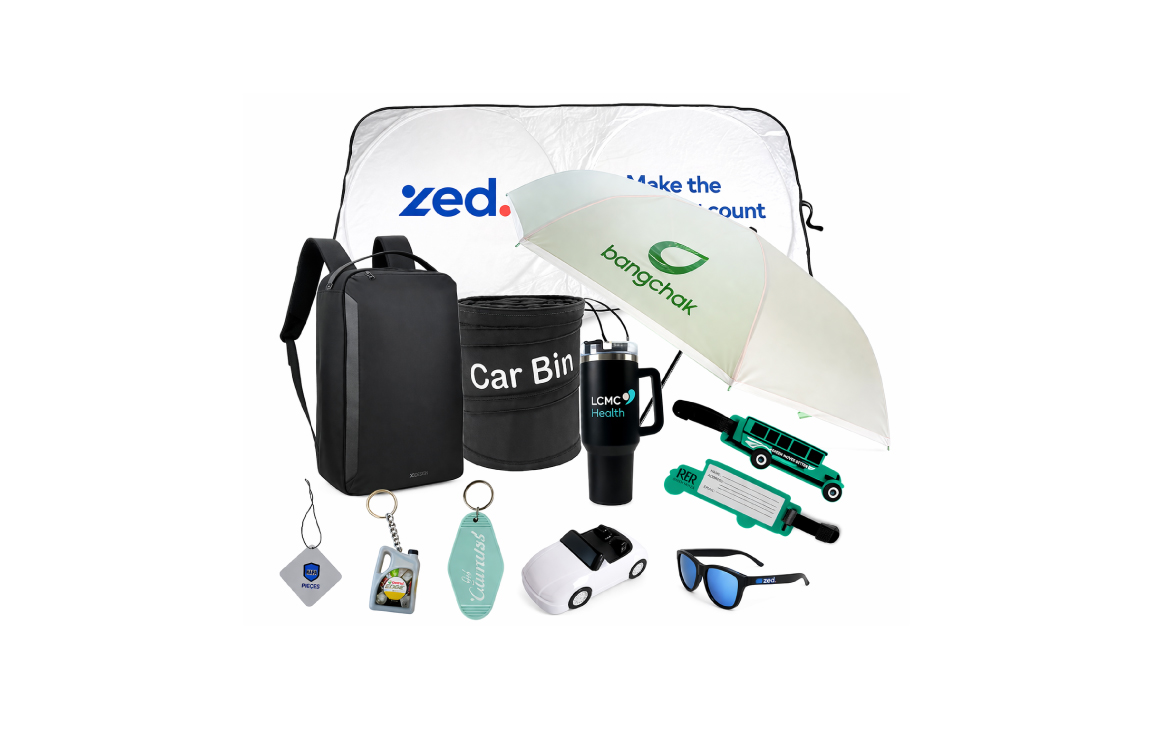
For this reason, product selection is no longer just about visual appeal or novelty. The more effective approach is to focus on items that are used frequently, remain in the vehicle, and continue to serve a purpose over time. For instance, sunshades provide protection from heat while naturally showcasing the brand. Reusable cups or car bins support everyday organization and cleanliness. Umbrellas, air fresheners, keychains, or small car models extend the user experience, offering both convenience and subtle brand presence.
These products work well not because they target a specific gender, but because they fit naturally into real driving scenarios and are used repeatedly.
This shift—from choosing products for first impressions to choosing products for continued use—reflects a broader change in how automotive promotional gifts create value. The effectiveness of these products comes not from targeting a specific demographic, but from fitting seamlessly into the user’s daily driving habits, providing repeated value that reinforces engagement over time.
From Giveaways to Long-Term Value
Promotional products are evolving from short-term giveaways to items of long-term utility. Their value is not measured solely at delivery but by how consistently they are used afterward.
Products that remain in the vehicle and are used repeatedly provide ongoing brand exposure without additional effort. This extends the impact of a single marketing action into continuous engagement.
In this way, promotional gifts are no longer isolated items but part of a broader marketing system.
ENPAI develops products based on actual usage scenarios. From selection and customization to sourcing, we help businesses transform promotional products into sustainable brand solutions that remain relevant in everyday life.
As the automotive market continues to evolve and the profile of drivers continues to change, businesses that understand real user behavior—rather than relying on outdated assumptions—will be better positioned to create promotional products that truly connect with their audience.